Spain is a parliamentary monarchy since 1975, when the dictator Francisco Franco died. Franco was a soldier who staged a coup in 1936 against the democratic government. Then began a civil war that ended in 1939 with the victory of Franco. His dictatorship ended when he died in 1975. At that time a new democratic constitution was drafted, and the first elections were held in 1977.
During the civil war, Barcelona was in the area of Spain controlled by the democratic government. Although the war front was away, the city was heavily bombed especially during 1938. It was the first time in history that civilians were bombed, and it was considered a preparation for WWII. In fact, those responsible for the bombing were the Italian fascist aviation, since the Spanish aviation was very antiquated. Other areas of Spain were bombed by German Nazi aviation, for example the Basque city of Gernika that inspired the famous painting by Pablo Picasso.

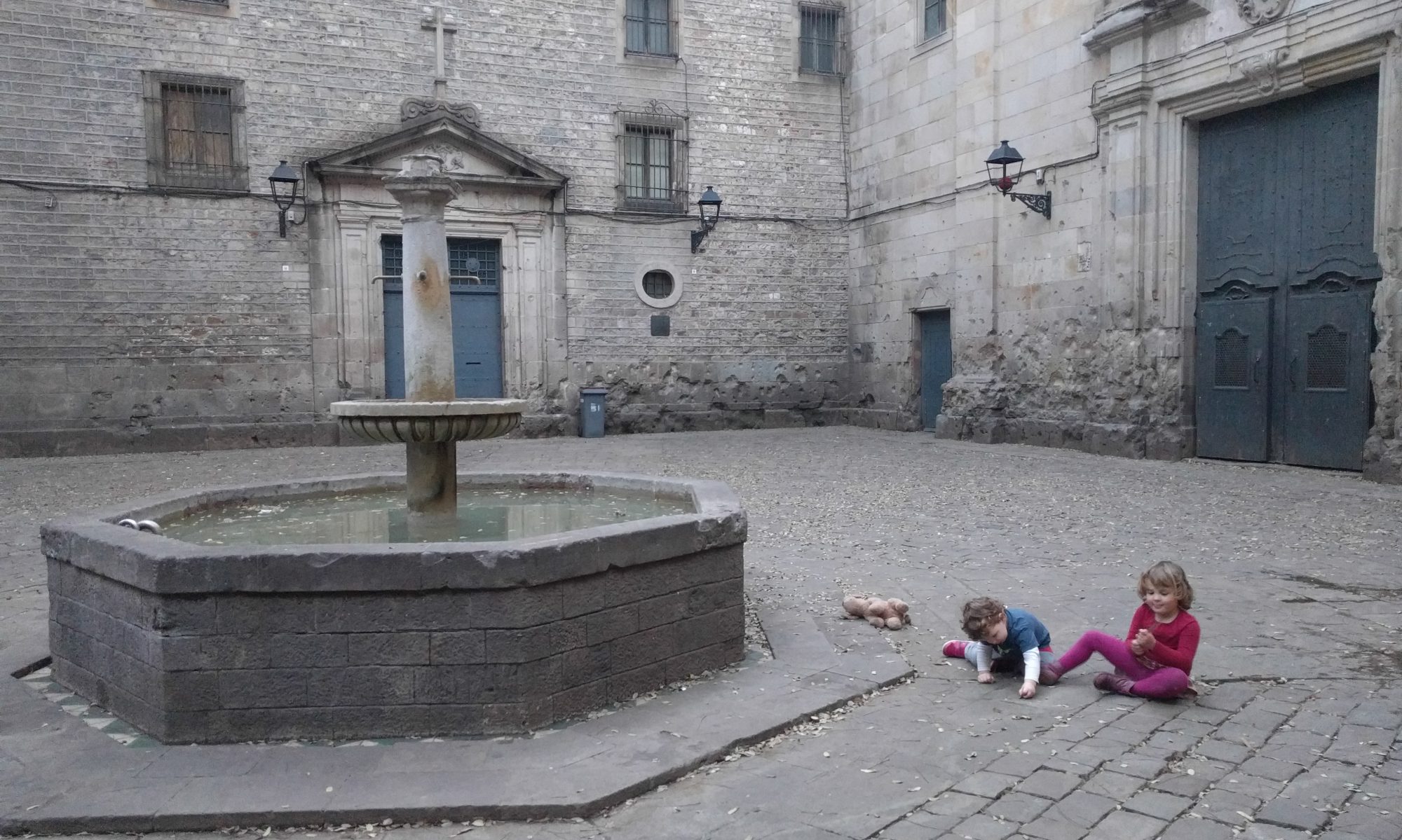
In the bombing of Barcelona there were no specific military objectives but simply to terrorize the population, as for example in the bombing of Sant Felip Neri that we explain here. To protect themselves from bombs, the population built hundreds of underground shelters throughout the city. The vast majority were destroyed after the war, but some of them still exist. One of them is refuge 307 (Nou de la Rambla 175), which is relatively close to home.
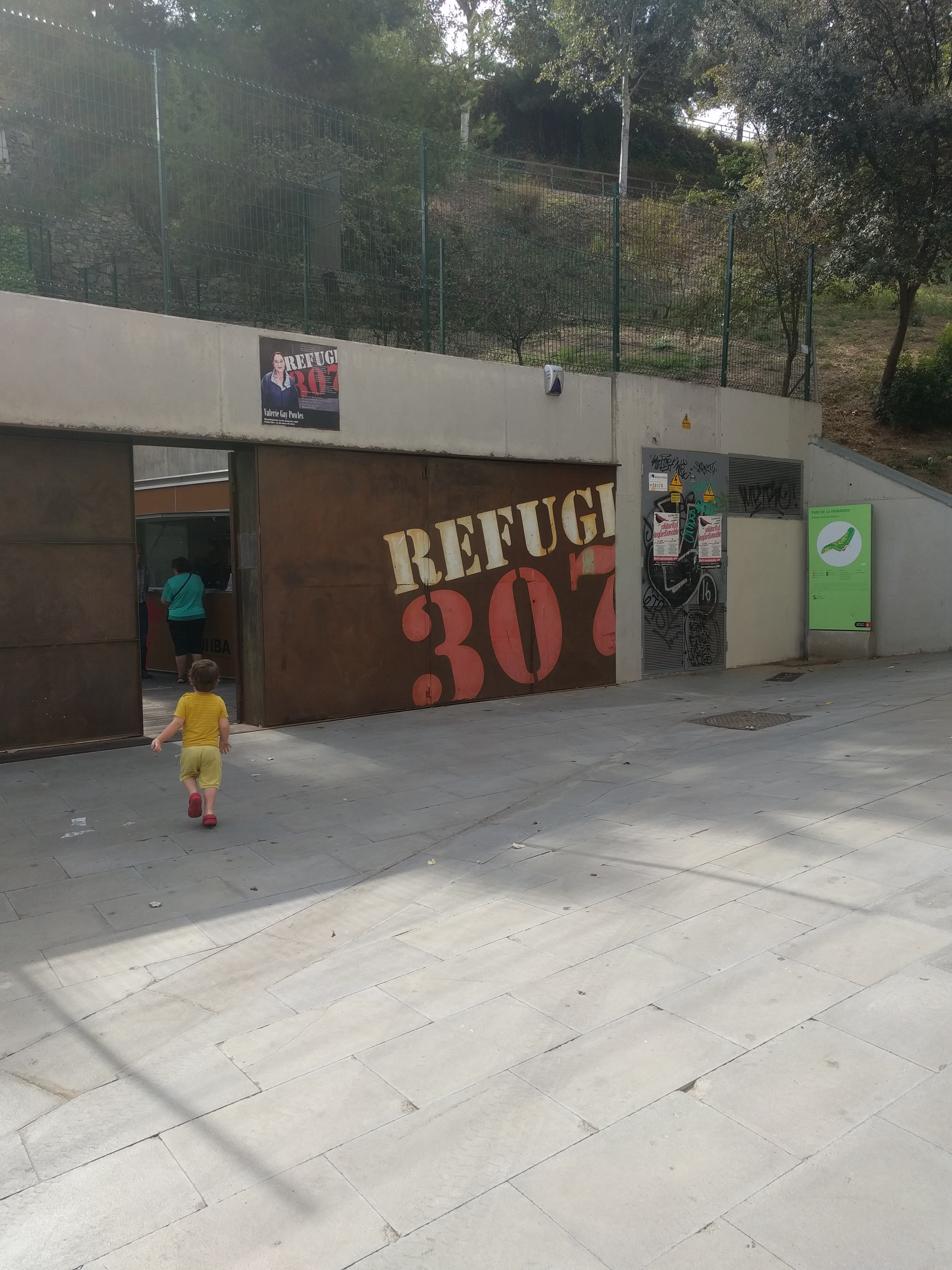 You can only visit with a guided group, but if you are interested in history, the truth is that it is very interesting, and also very impressive.
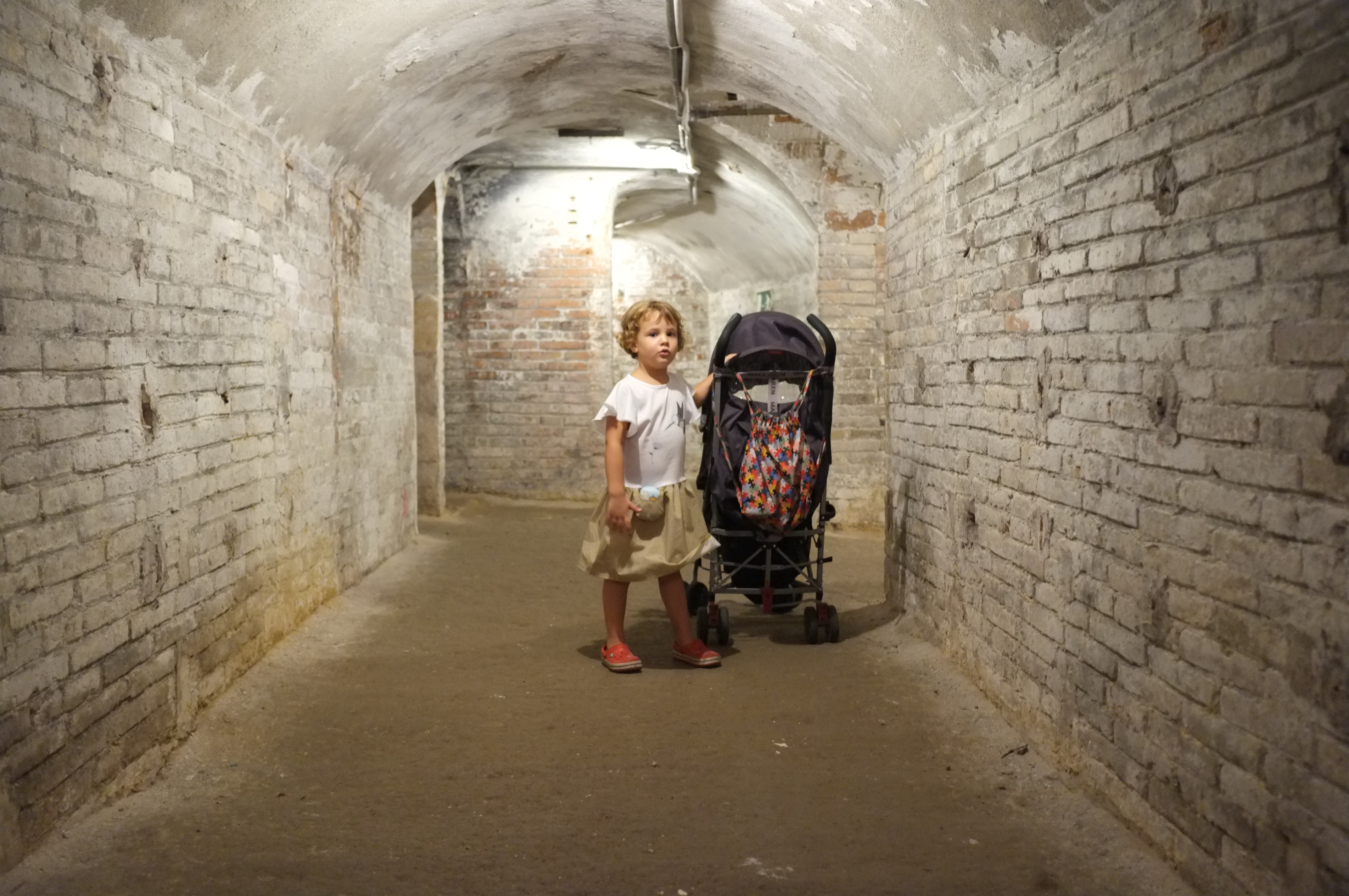
Visits in English are made on Sundays at 10:30. You have to book as soon as you can calling the phone +34 9325621 22 or sending an email to reservesmuhba@eicub.net.
When you leave you will find yourself in the neighborhood of Poble Sec, which is famous for its terraces where you can have a drink and eat some tapas. Look for example Blai Street or the Plaza del Sortidor and choose the bar that you most want.