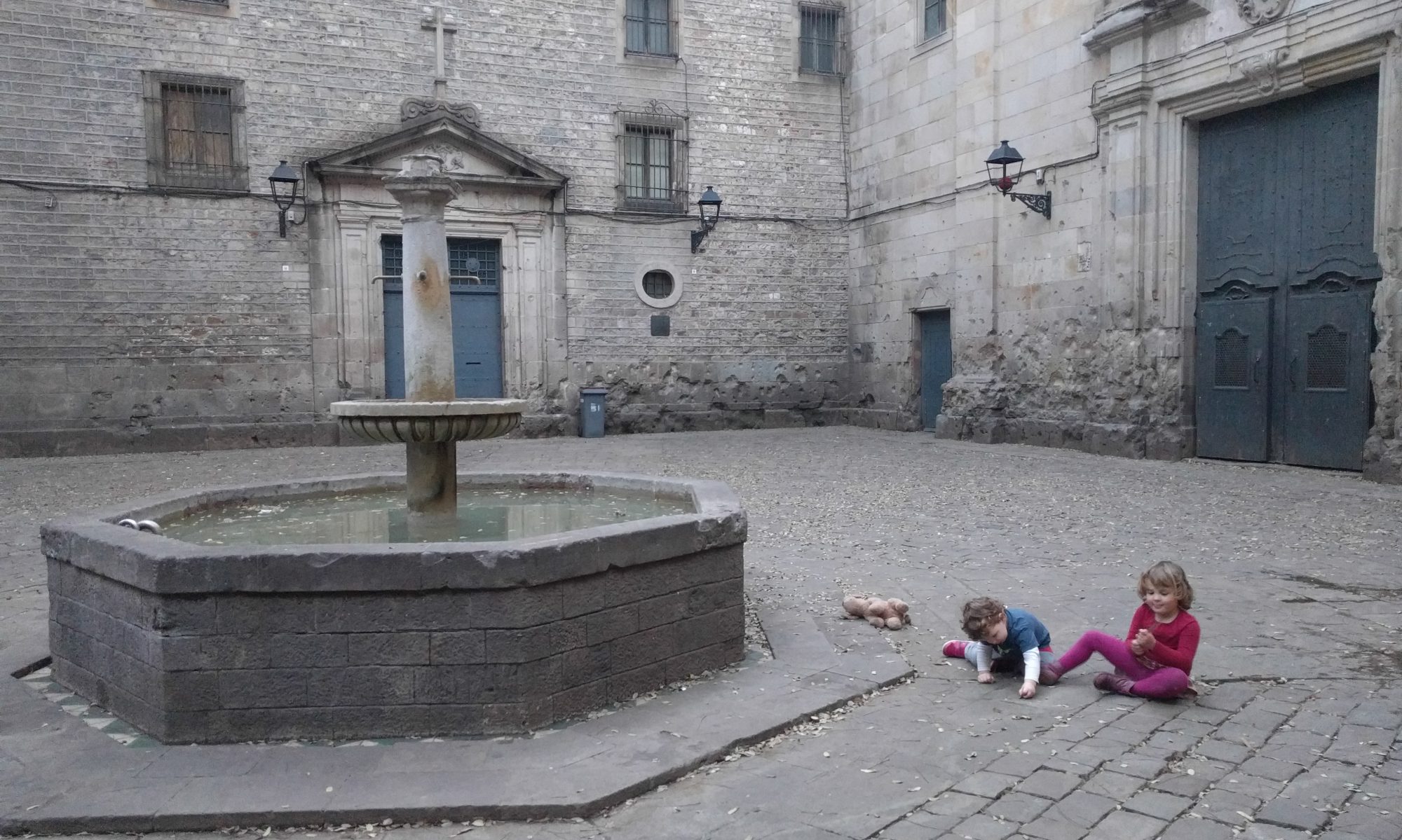
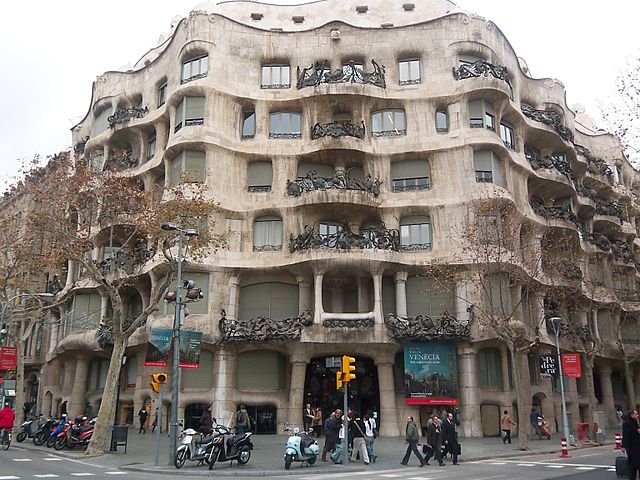
The neighborhood of Gracia was formerly a small town, which was joined to Barcelona in 1897. Until 1860 the old city was embalmed, and between this first Barcelona and the town of Gracia there were only fields and a path that is now the Passeig de Gracia (Literally the road that leads to Grace). Now the walk is one of the main commercial axes of the city, where there are some of the main modernist buildings of Barcelona. You have several on the corner with Calle Aragó, and La Pedrera on the corner with Calle Provença.
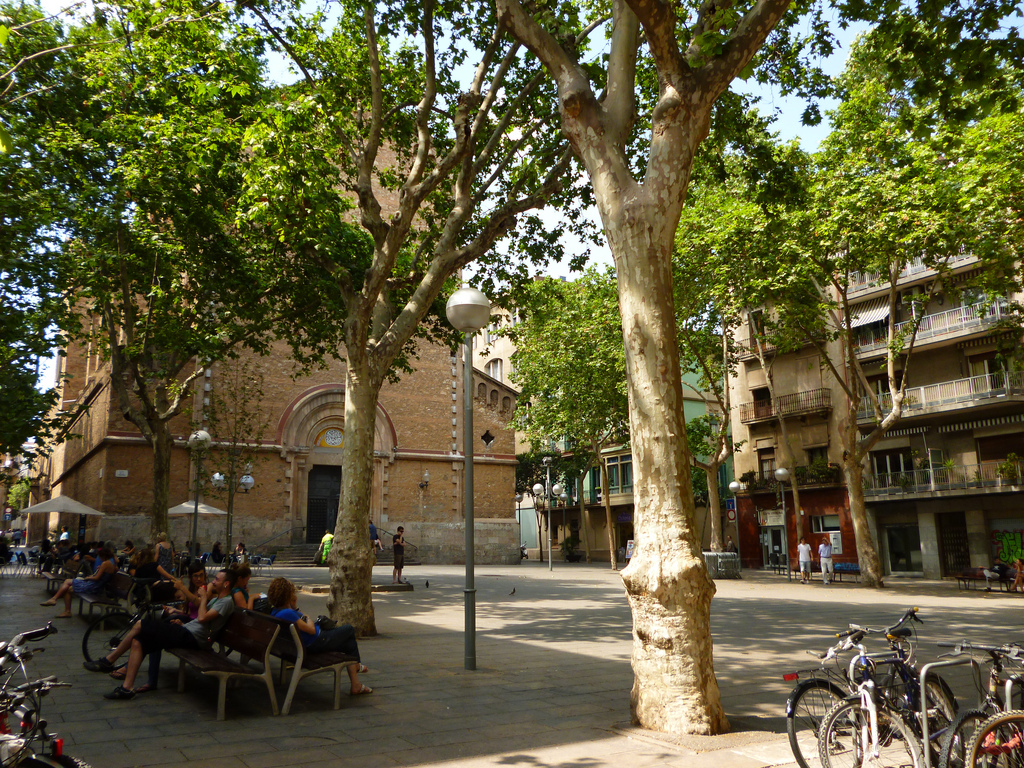
Gracia is full of small streets with shops, bars and restaurants, and also large squares where you can have a quiet drink. It is best to go in the afternoon, when it is not so hot to walk. A good proposal is to go by metro from Drassanes (on La Rambla) to the Fontana stop. There you can walk along Asturias Street to the Plaça de la Virreina, where you can rest for a while. From there you can take Torrijos street to Puigmartí street, where you can go to Plaça de la Vila de Gràcia. A good tour of the neighborhood. Then look for the Diagonal subway to return home.
If you want to go to the cinema, on Calle Verdi (the most famous in the neighborhood) there is the best in the city and the few who pass the films in their original version. Actually there are two cinemas, one in Verdi 32 and another in Torrijos 49. There are usually movies for children too.
If you are in Barcelona between the 15th and the 20th of August, you can not miss the Fiestas de Gracia, when the neighbors decorate the streets and there are a lot of activities for adults and children. There are usually many people in the evenings and weekends.
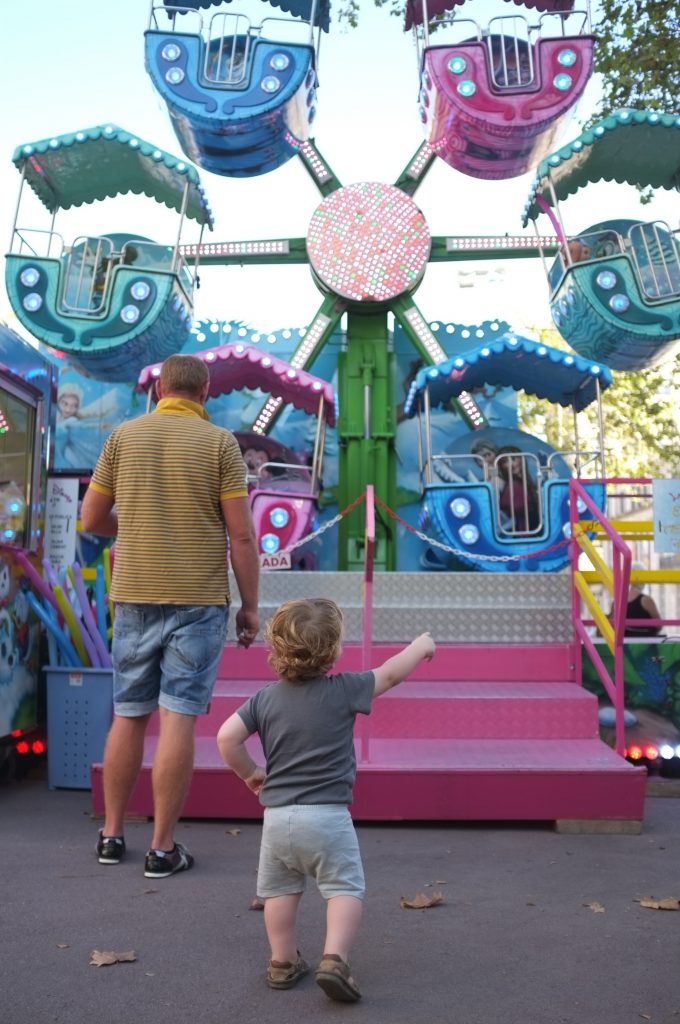
Verdi, Joan Blanques, Llibertat or Fraternitat are usually among the most beautifully decorated streets.
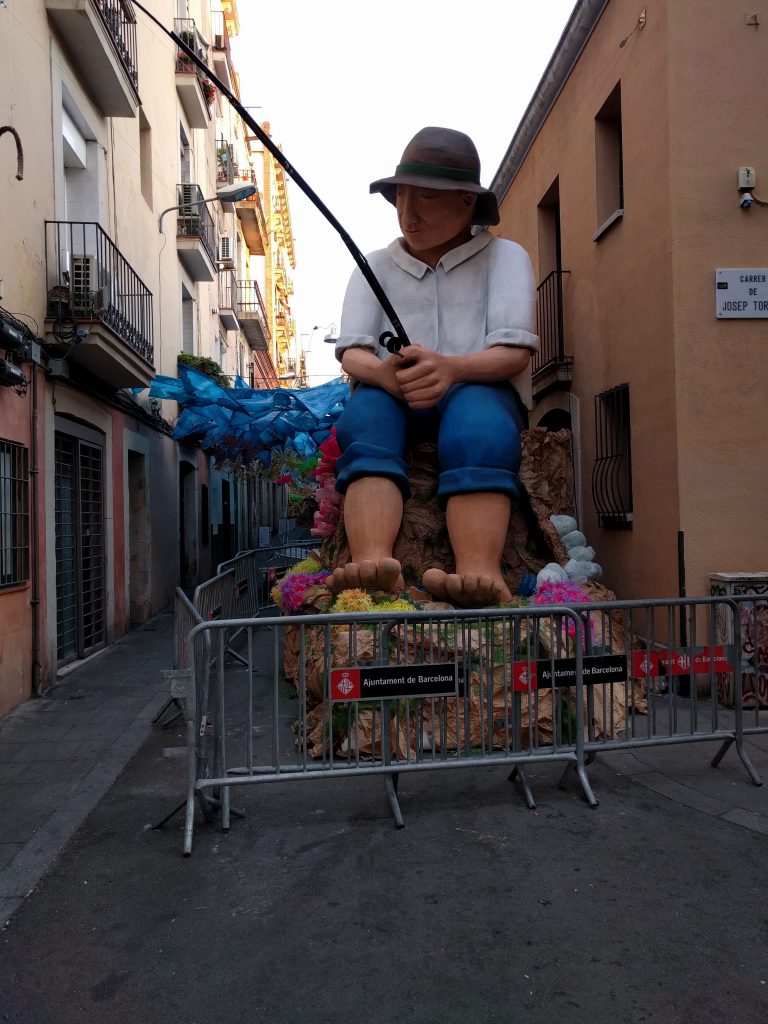
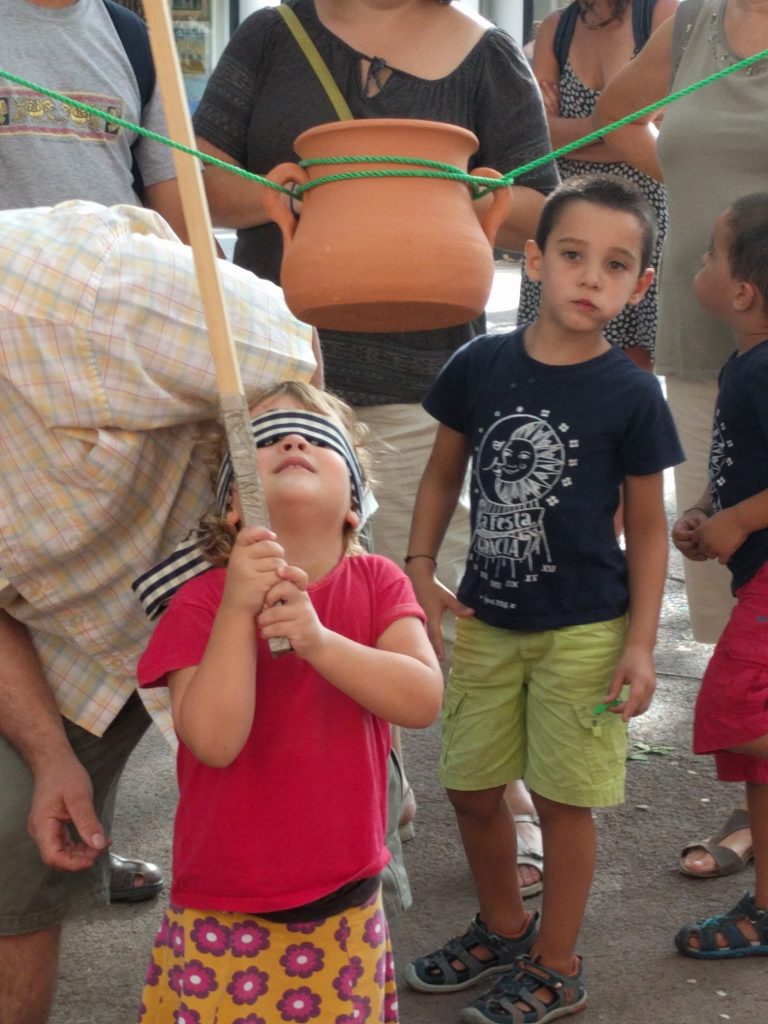
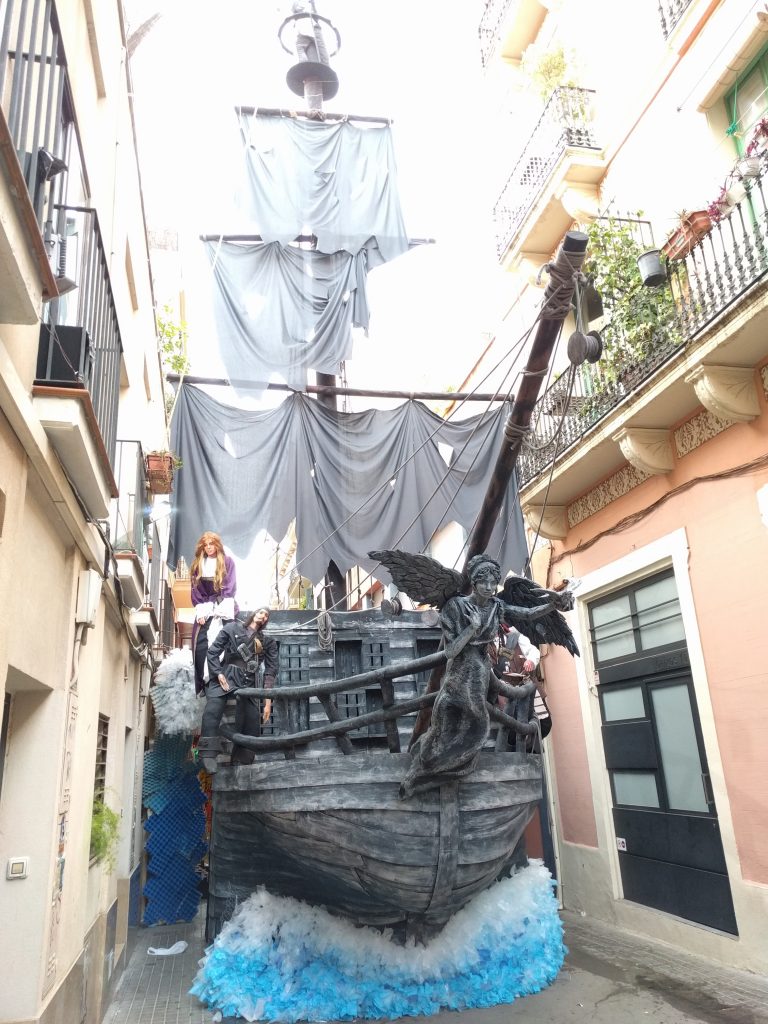

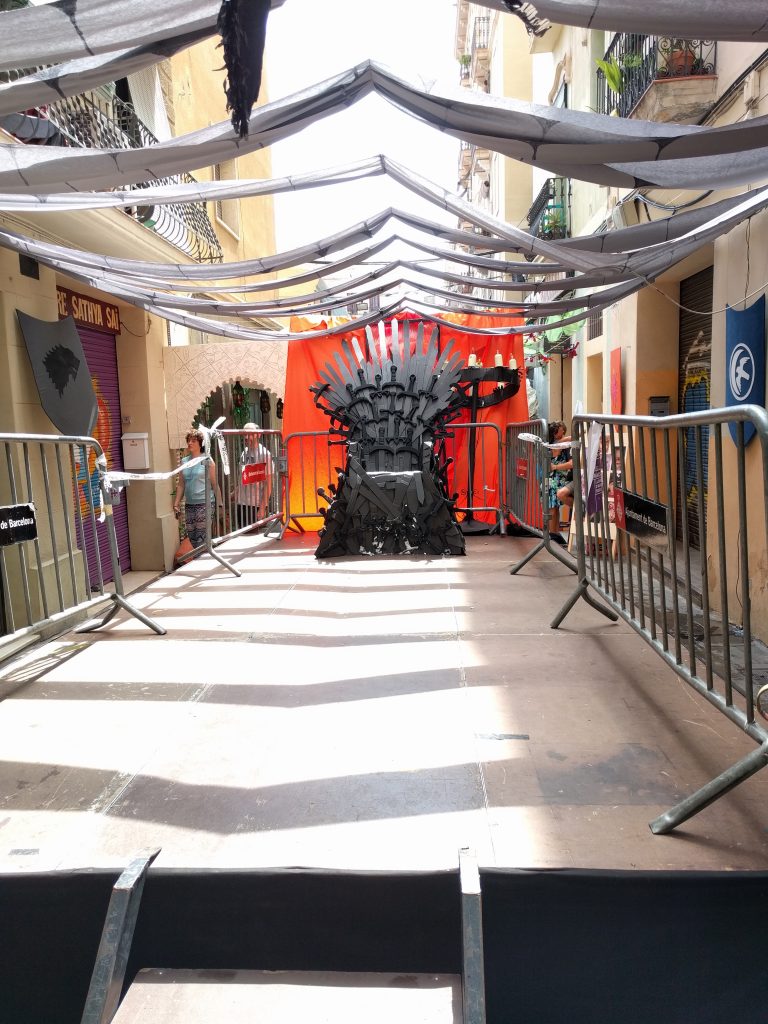
There a similar celebration in the neighborhood of Sants a few days later. May worth a visit.