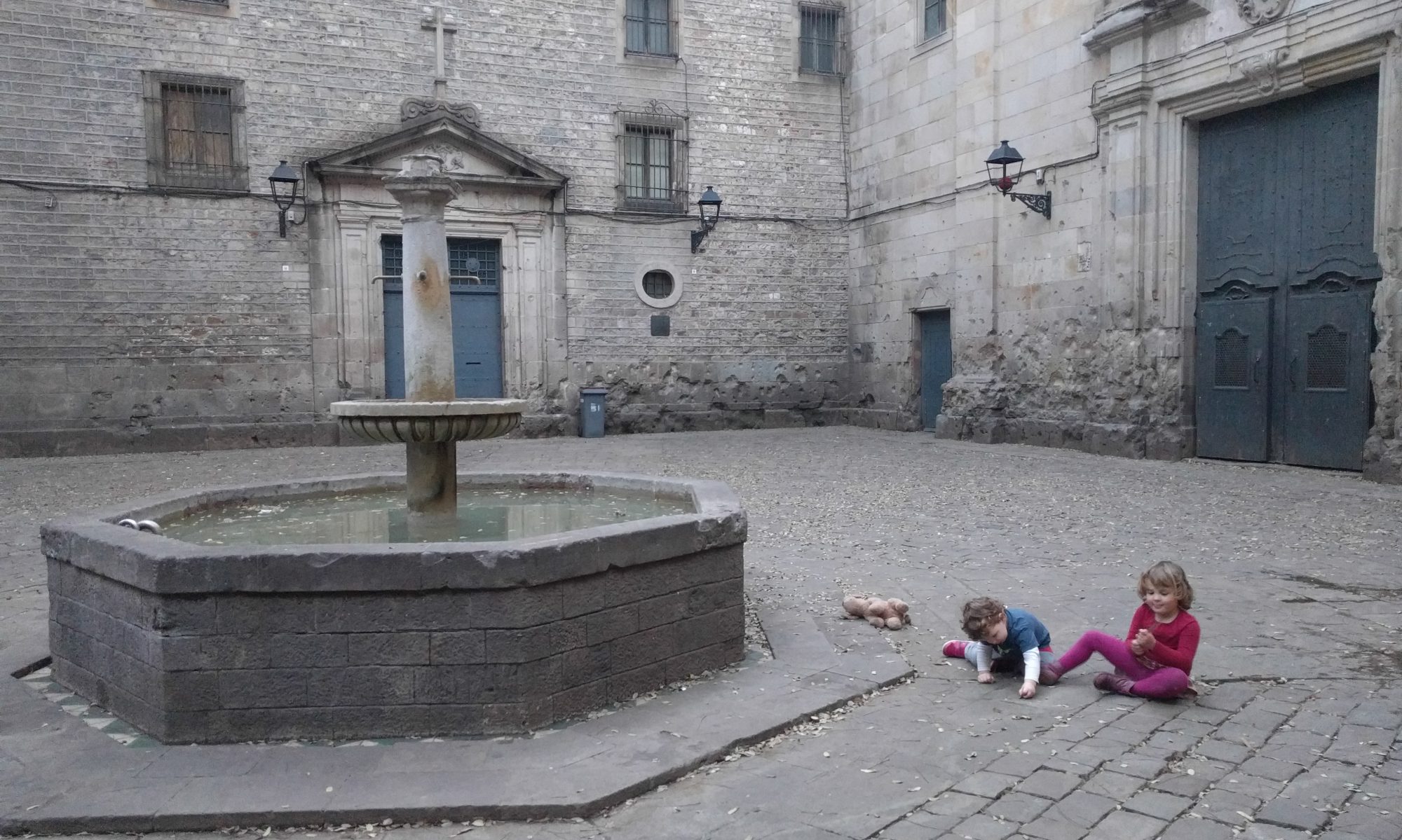
Until 1860 Barcelona was only what today is the old city, and was surrounded by a wall. In 1860 it was decided to demolish the wall and start the expansion of the city with the construction of what is now the Eixample district (which literally means expansion). In a very short time, thousands of houses were built where before there were only fields, and Barcelona multiplied by 10 its population.
To do so, the plan of Ildefons Cerdà was followed, which set out a grid of wide streets, very different from the narrow and unhealthy streets of the old city of the 19th century.
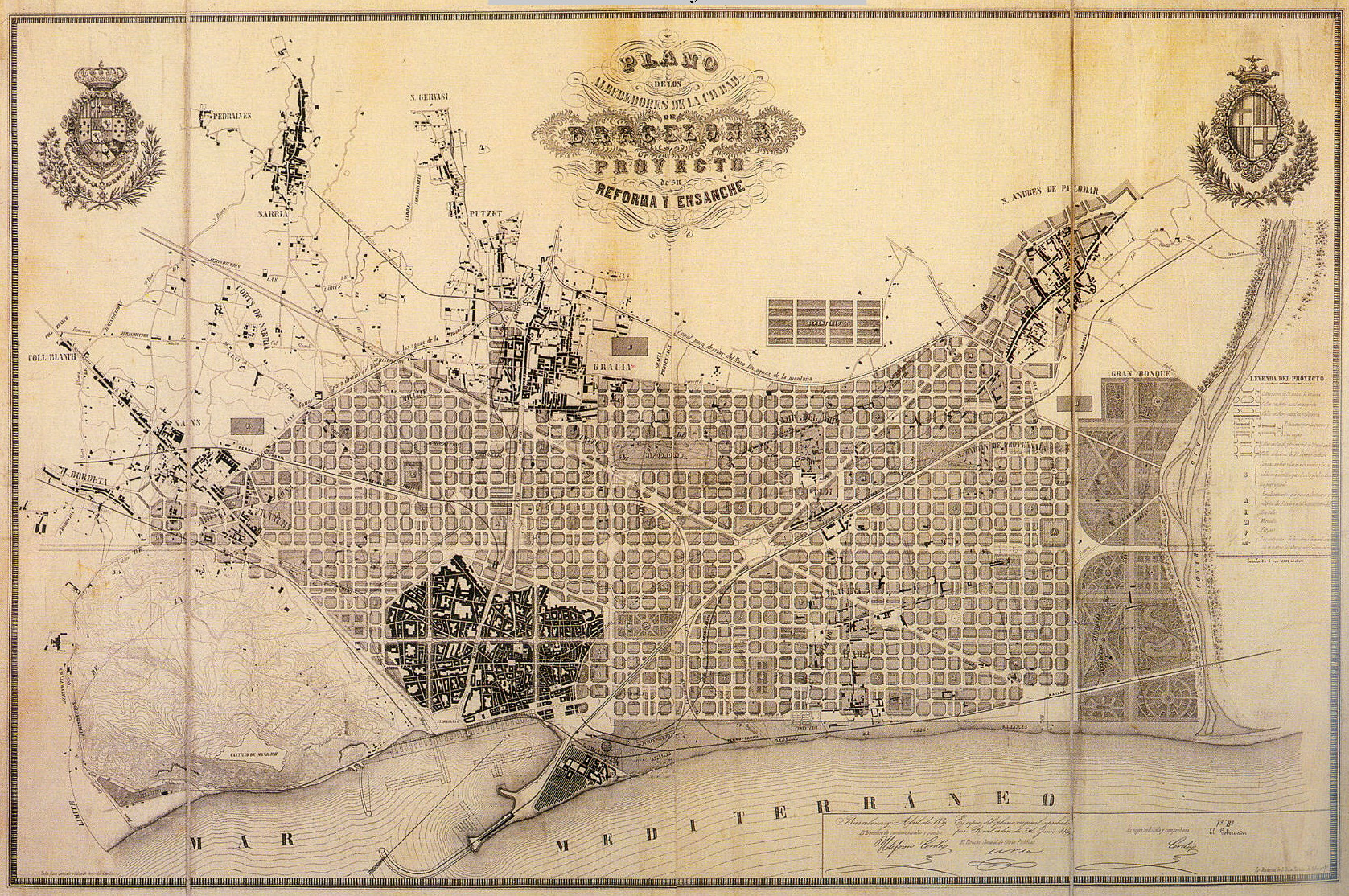
But he did not just want wide streets at a time when there were still no cars. He also limited the height of the buildings to only 4 floors so that the sun’s rays reached the street. This regulation was later changed allowing 2 or 3 additional floors, which gave many buildings a characteristic aspect of this neighborhood: the original 4 floors, and a few more floors with a different look. You can play with the children to find them, there are many in the whole neighborhood.


And not only that, he also wanted gardens within each grid. This was not done either, although at the end of the 20th century an attempt was made to recover some. The clearest example is La Torre de les Aigües (Roger de Llúria 56). Until 2018 there was an ideal pool for the little ones but it’s now closed. You can still visit the site though.
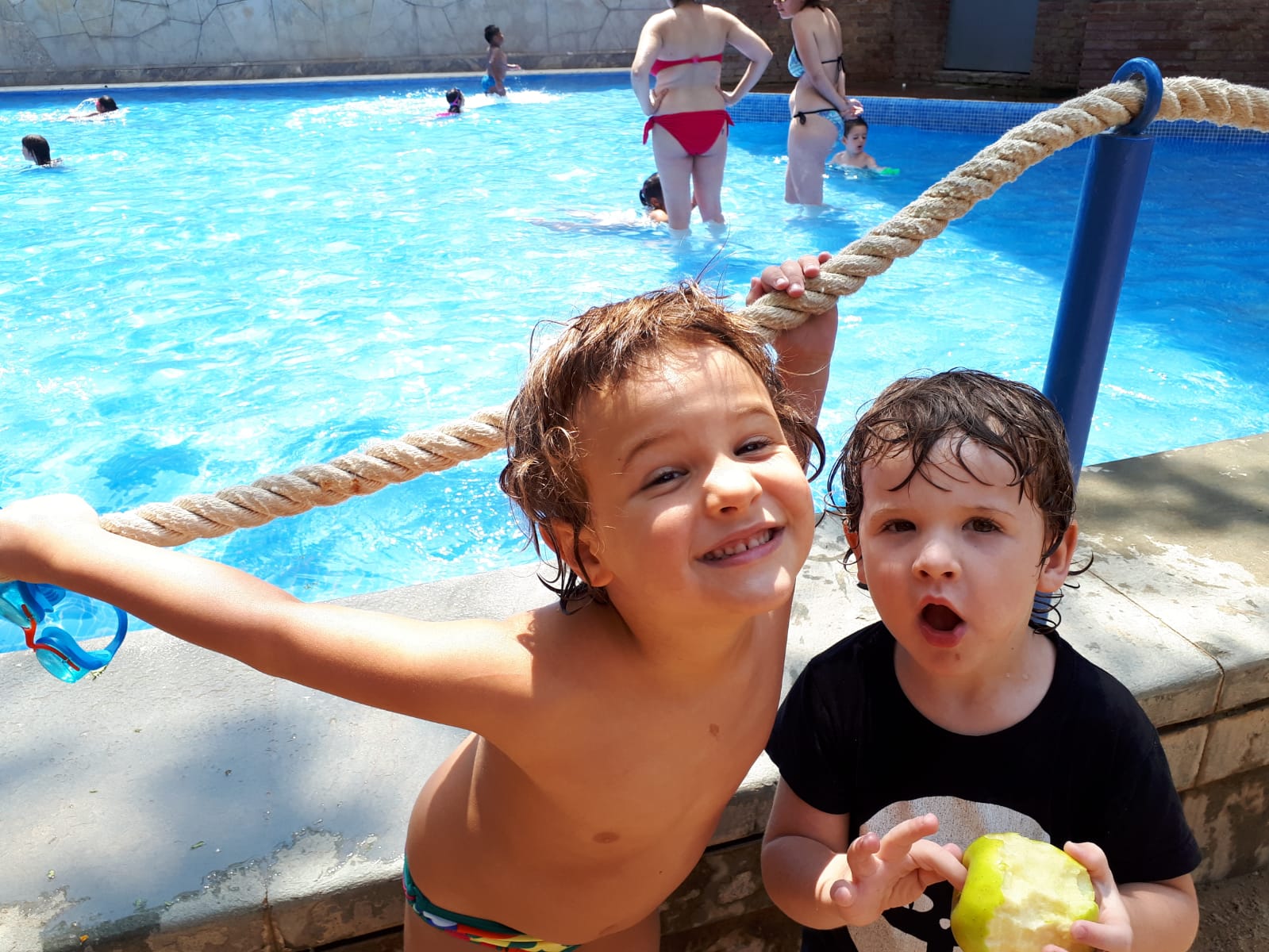
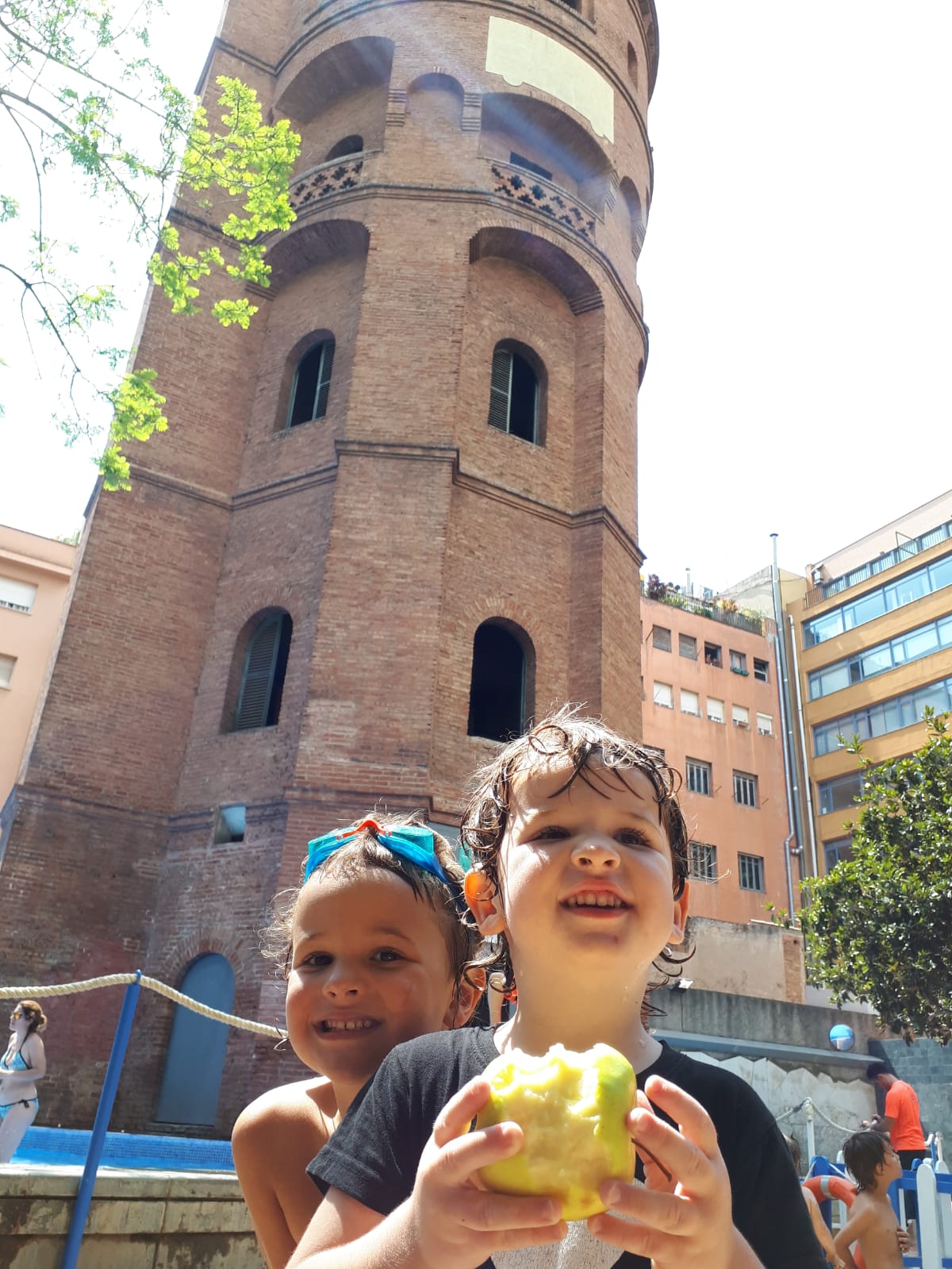
This was one of the few pools in Barcelona designed for young children. There are a couple more. One of them is in the Joan Miro Park (Aragó 2), which opened in 2019. The other one is the Creueta del Coll (Mare de Deu del Coll 77), which is in a more natural setting. To get there you have to take the V17 bus in Via Laietana and get off at the stop called “Mare de Déu del Coll – Baixada de Sant Marià”.

But let’s go back to l’Eixample. If you go to the pool you will be precisely in the first area that was built in the neighborhood. Actually you are next to the first building of the Eixample, in Consell de Cent 350. Now it is a hotel.
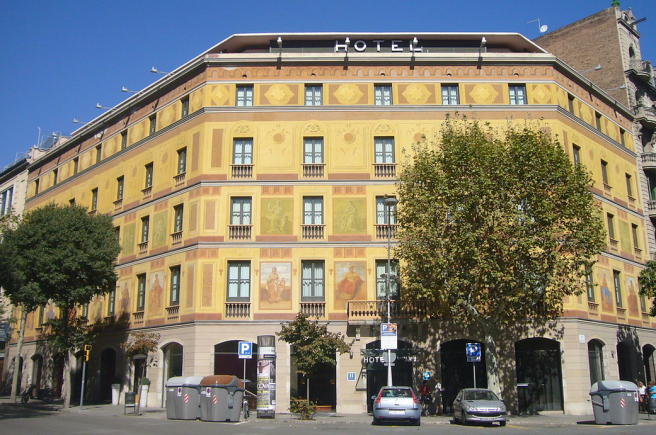
Stroll through the streets of Consell de Cent, Bruc, Diputació or Girona, which are the most representative of the neighborhood. And think how it would have been without so many cars, with lower houses and gardens in each grid. I wish they had paid more attention to Cerdà;)
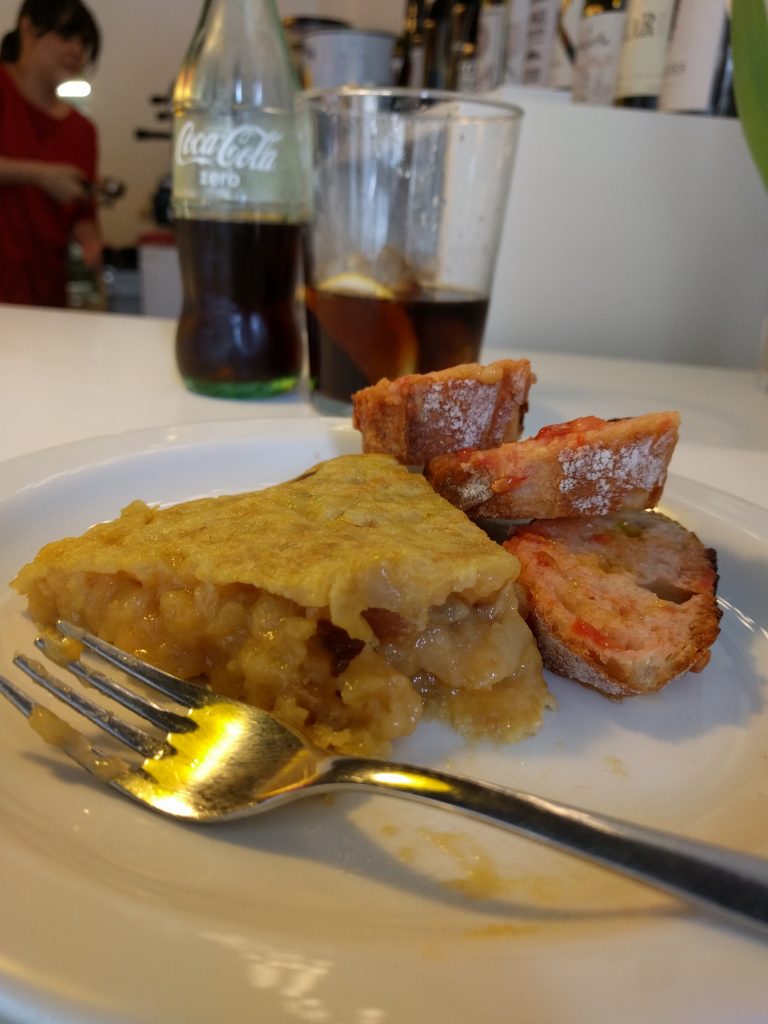
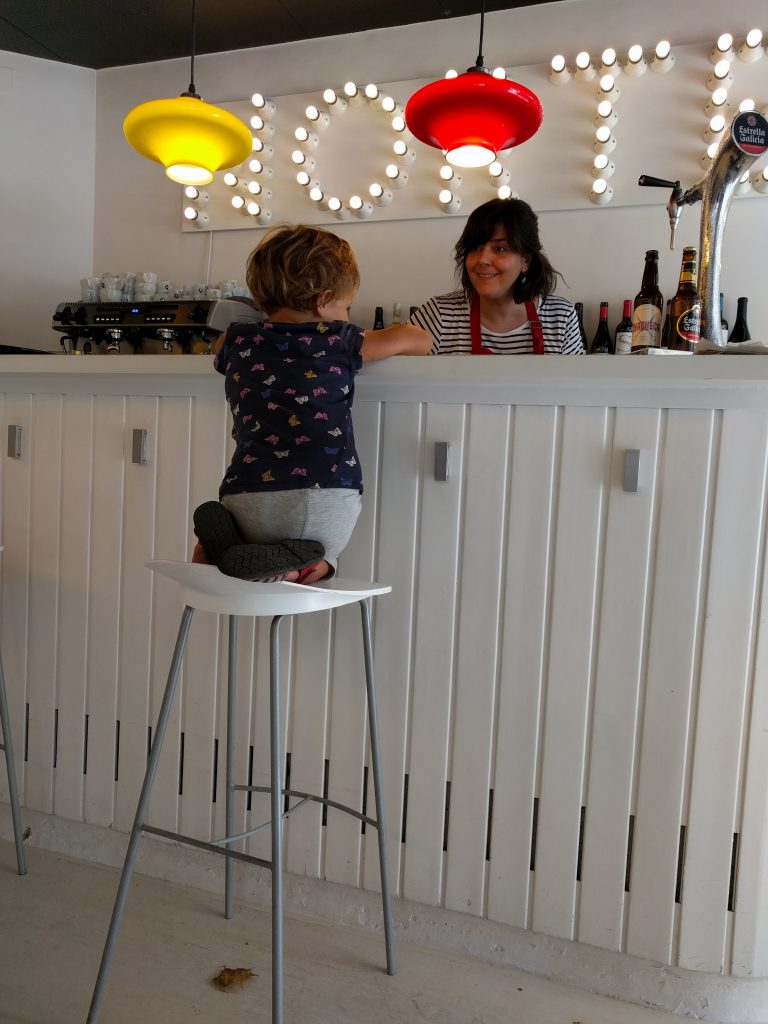
To eat we have it clear, one of our favorite restaurants is right here. It’s called Norte and it’s in Diputació 321. You can go for breakfast (ask for the ‘tortilla de patatas’ if it’s not already finished, see here), for brunch (sweet or salted) or at lunchtime, when they have small plates to share. All great. Say hello to Maria, Lara and Albert from our part 🙂